Laserové zpracování materiálů představuje moderní a efektivní technologii, která výrazně mění většinu průmyslových postupů. Lasery přináší do průmyslu revoluci, která klade důraz na preciznost, rychlost a univerzálnost pracovních postupů. Laserové technologie se stávají nezbytným nástrojem, které otevírají nové možnosti v oblasti designu, výroby i vývoje.
Laserové zpracování umožňuje dosáhnout extrémní preciznosti a jemnosti v zpracování materiálů. Laserový paprsek je schopen pracovat s mikroskopickou přesností, což je klíčové zejména v odvětvích, kde je vysoce žádaná preciznost a minimální odchylky.
Laserová technologie je schopna zpracovávat širokou škálu materiálů, včetně kovů, plastů, dřeva, skla a keramiky. Tato univerzálnost umožňuje pružné využití laserů v různých odvětvích, od automobilového průmyslu po výrobu elektroniky.
Laserové zpracování minimalizuje ztrátu materiálu, protože se zaměřuje přímo na oblasti potřebující úpravu. To vede k efektivnějšímu využití surovin a snižuje výrobní náklady.
Laserové systémy jsou schopny provádět zpracování velmi rychle, což zvyšuje celkovou efektivitu výrobních procesů. Tato rychlost je klíčová pro moderní průmysl, kde je důležité dosahovat vysoké produkce za krátký čas.
V porovnání s tradičními metodami zpracování, jako jsou řezání, vrtání, svařování nebo frézování, laserové zpracování minimalizuje mechanické i tepelné namáhání materiálu. To může být zásadní pro citlivé materiály, které by mohly být poškozeny při tradičních postupech.
Laserové systémy mohou být integrovány do plně automatizovaných výrobních linek. Vysoká míra opakovatelnosti procesu bez vlivu opotřebení nástrojů umožňuje maximalizovat efektivitu a minimalizovat lidskou intervenci, což snižuje chyby a zvyšuje konzistenci výroby.
Laserové zpracování nalézá uplatnění v mnoha průmyslových odvětvích, včetně kovovýroby, výroby zdravotnických nástrojů, elektroniky, automotive a e-mobility, textilním průmyslu, zpracování plastů a skla, výroby šperků, klenotnictví a mnoha dalších. To svědčí o jeho univerzálních schopnostech.
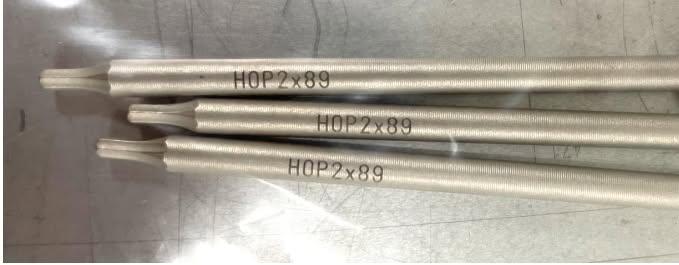
Analýza tvrdých dat jednoznačně favorizuje systém PowerLine F 100-1064. Varianta s 50 W neposkytuje dostatečnou rezervu pro udržení sytého a stabilního kontrastu.
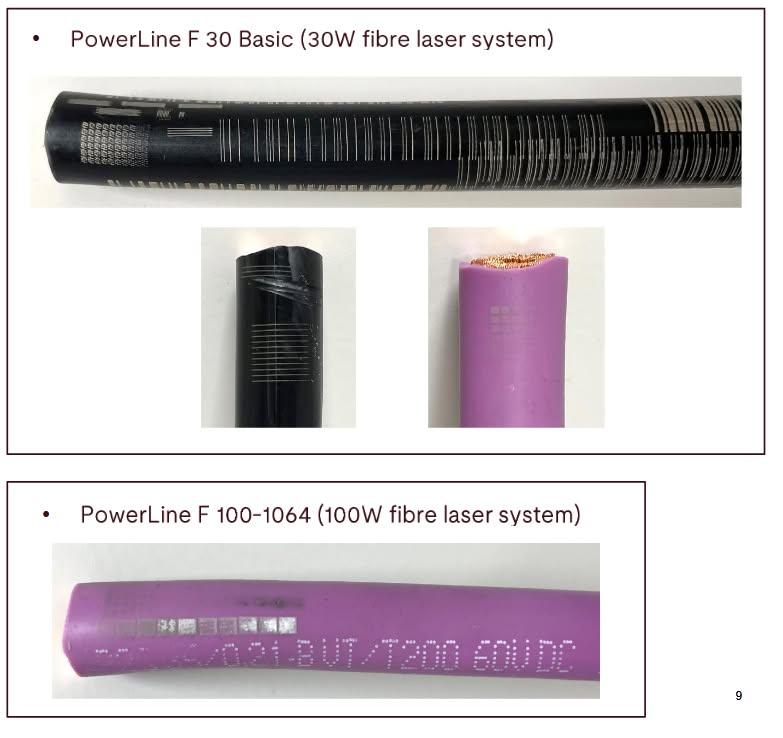
Kritická analýza naměřených dat prokazuje, že pro bezkompromisní splnění požadavku značení složitých struktur (1D a 2D kódy) do těžko absorbujících izolačních plastů při rychlosti 2 m/s je UV systém Coherent PowerLine E 30 QT nezbytným technickým minimem.
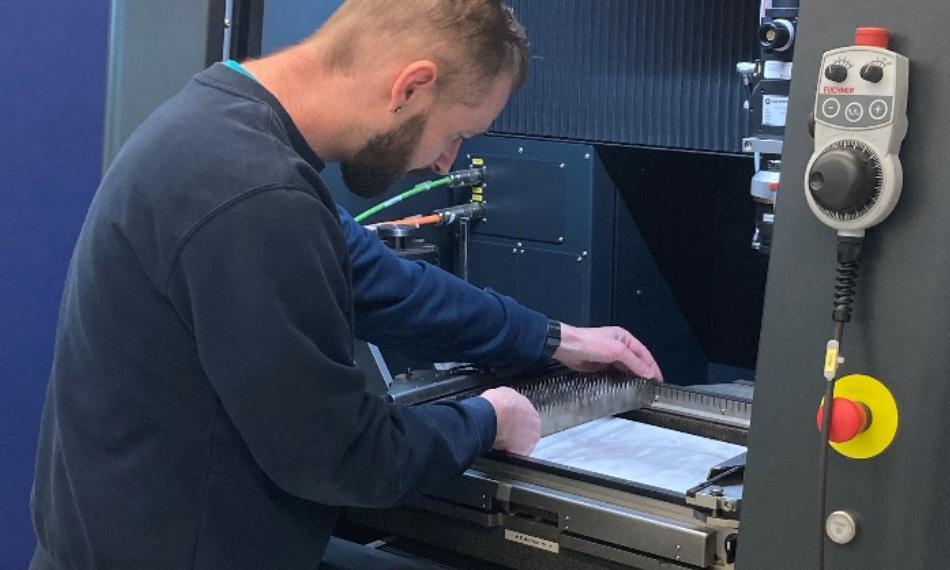
Platina je fascinující kov – vzácný jako zlato, avšak s mnohem vyšší teplotou tání, což z něj činí ideální volbu pro procesy vyžadující extrémní teploty. Díky moderním vláknovým laserům je dnes řezání platiny efektivní, s téměř 100% využitím materiálu.
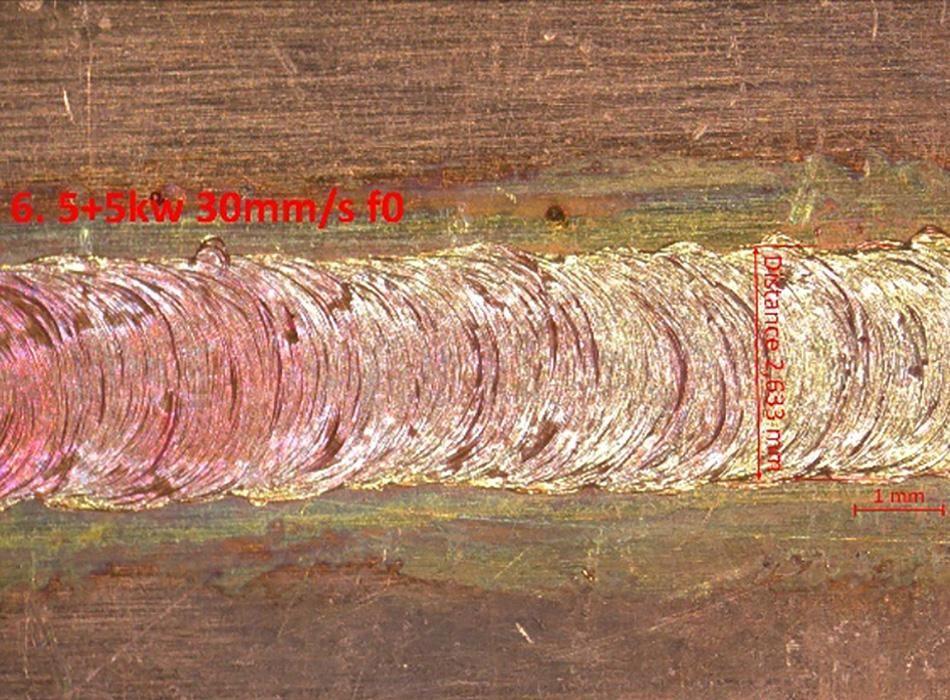
Měď hraje v automobilovém průmyslu zásadní roli, ať už je zdrojem paliva benzín, nafta, elektřina, palivové články nebo LNG. Očekává se, že poptávka po mědi ve vozidlech vzroste ze 3 milionů tun (MT) v roce 2023 na 5 MT do roku 2034. Skutečnou hnací silou je zde výrazný nárůst využití mědi pro komponenty elektrických vozidel (EV) v důsledku delšího dojezdu, který spotřebitelé od EV požadují, přičemž kapacita bateriových sad se zvyšuje tempem ~10 % ročně.

Svařovací lasery v automobilovém průmyslu nabízejí precizní a rychlé svařování kovových materiálů s minimálním ovlivněním teplem. Výhodou laserů je možnost svařování rozdílných materiálů nebo materiálů jinak těžko svařitelných, jako jsou měď a hliník nebo tenké fólie. Kromě kovů lze lasery využít také ke svařování plastů a další výrobní procesy.

Navařování a plátování jsou široce používané procesy pro zlepšení povrchových a vlastností součásti nebo pro obnovení povrchu dílů, který se používáním opotřeboval. Plátování zahrnuje vytvoření nové povrchové vrstvy na základním materiálu. Tím se liší od zpevňování povrchu, které spočívá pouze ve změně vlastností samotného podkladu v tenké povrchové vrstvě.

Laserové svařování je rychlý a ekonomicky výhodný způsob svařování mnoha typů materiálů. Pomocí laseru lze docílit precizního a pevného svaru s minimálním ovlivněním okolního materiálu (HAZ). Díky tomu lze laserem svařovat také křehké a drobné díly,které by byly tradičními metodami svařitelné jen velmi obtížně. Využívání laseru pro svařování umožňuje vysokou opakovatelnost pracovního procesu a snižuje náklady a časovou náročnost následných operací na čištění svaru a odstranění rozstřiku.

Lasery jsou v elektronickém a polovodičovém průmyslu nezbytné pro mnoho procesů, včetně řezání, svařování, gravírování, vrtání, ablace, depozice a litografie. Jejich využití přináší mnoho výhod v porovnání s tradičními metodami zpracování elektroniky a polovodičů. Lasery mohou vytvářet přesné a čisté řezy, pevné svary i malých částí bez tepelného ovlivnění nebo precizní značení i na křehkém povrchu. Laserové vrtání, ablace a litografie jsou využívány k vytváření mikrokanálků, mikro děr, mikro zářezů a mikrostruktur pro integraci výroby polovodičů.

Lasery jsou v současnosti důležitou součástí kovovýroby a celého zpracovatelského průmyslu. Využití laserů přináší v porovnání s tradičními metodami mnoho výhod při zpracování většiny běžně používaných materiálů ať již jde o řezání, broušení, svařování, značení, gravírování, čištění nebo vrtání. Laserové technologie zároveň umožňují výrobu složitých geometrií a tvarů dílů, které by jinak bylo velmi obtížné nebo nemožné vyrobit tradičními metodami. Laserové technologie jsou dnes nezbytné pro mnoho průmyslových odvětví, včetně automobilového, leteckého a kosmického průmyslu, kde se kladou velké nároky na přesnost, opakovatelnost a kvalitu výroby.

Díky přesnosti, flexibilitě a kreativitě, kterou umožňují, jsou lasery stále populárnějšími mezi šperkaři a designéry. Laserové řezání a gravírování umožňuje vytvářet velmi detailní a precizní šperky a hodinky, zatímco laserové svařování umožňuje vytvářet pevné a bezpečné spoje mezi různými materiály. Využití laserů snižuje náklady a zvyšuje efektivitu procesu výroby a opravy šperků a hodinek. Bezkontaktní manipulace umožňuje pracovat s křehkými materiály bez rizika jejich poškození.

Laserové technologie jsou v oblasti zdravotnické výroby stále častěji využívány díky svým četným výhodám. Laserové řezání a gravírování umožňuje výrobu velmi přesných a detailních zdravotnických nástrojů, implantátů a protéz. Laserové svařování umožňuje vytvoření bezpečných, sterilních a pevných spojů mezi různými materiály. Laserové značení a gravírování pak umožňuje rychlou a efektivní identifikaci zdravotnických zařízení a lékařských přístrojů.

Laserová ablace je proces, při kterém se pomocí laseru odstraňují materiály z povrchu nebo z vnitřní části objektů. Tento proces využívá krátké a intenzivní pulsy laserového světla, které způsobují, že se materiál rozpadne na mikroskopické částice, které jsou následně odstraněny z povrchu. Díky své rychlosti, přesnosti a šetrnosti k okolnímu materiálu se laserová ablace stává čím dál tím více oblíbenou metodou, protože umožňuje zlepšit kvalitu a efektivitu zpracování materiálů.

Laserové značení je jedno z nejčastějších využití laserů v průmyslu, výrobě a logistice. Lasery se využívají pro rychlé a odolné značení výrobků, obalů i jednotlivých dílů. Vhodně zvolený laser dokáže vytvořit na většině materiálů trvalou značku, která ani v průběhu času neztrácí svou čitelnost. Velkou výhodou laserového značení je jeho variabilita - každý výrobek může označit jedinečným kódem, který umožní jeho další sledování ve výrobě a distribuci. Kromě písmen, čísel a 2D/3D kódů lze laserem vytvářet na výrobcích také grafické loga a grafické značky, čehož se využívá například pro vytváření štítků, popisků ovládacích prvků apod.

Laserové zpracování plastů je vhodné nejen pro řezání, ale také pro svařování, značení, drážkování nebo zeslabování plastů. Výhodou laserového zpracování je softwarové řízení, které umožňuje snadno a rychle měnit tvary výpalků a svarů, obsah laserových značek a měnit strukturu povrchu a gravírované obrazce. S vhodně zvoleným laserem získáte kromě vysoké rychlosti a přesnosti také skvělou kvalitu práce

Laserové vrtání a řezání jsou nezbytné pro mnoho průmyslových aplikací, včetně výroby elektroniky, lékařských nástrojů, mikrofluidních zařízení a mnoha dalších. Oproti tradičním metodám umožňuje laserové vrtání vytvářet velmi malé otvory a kanálky v materiálech, které jsou příliš tvrdé nebo křehké pro tradiční zpracování. Navíc laserové vrtání poskytuje vysokou přesnost a opakovatelnost bez nutnosti výměny a broušení nástrojů, což zvyšuje produktivitu a snižuje náklady.